Home Improvement
How Much Does It Cost to Have Someone Install a Kitchen Faucet?
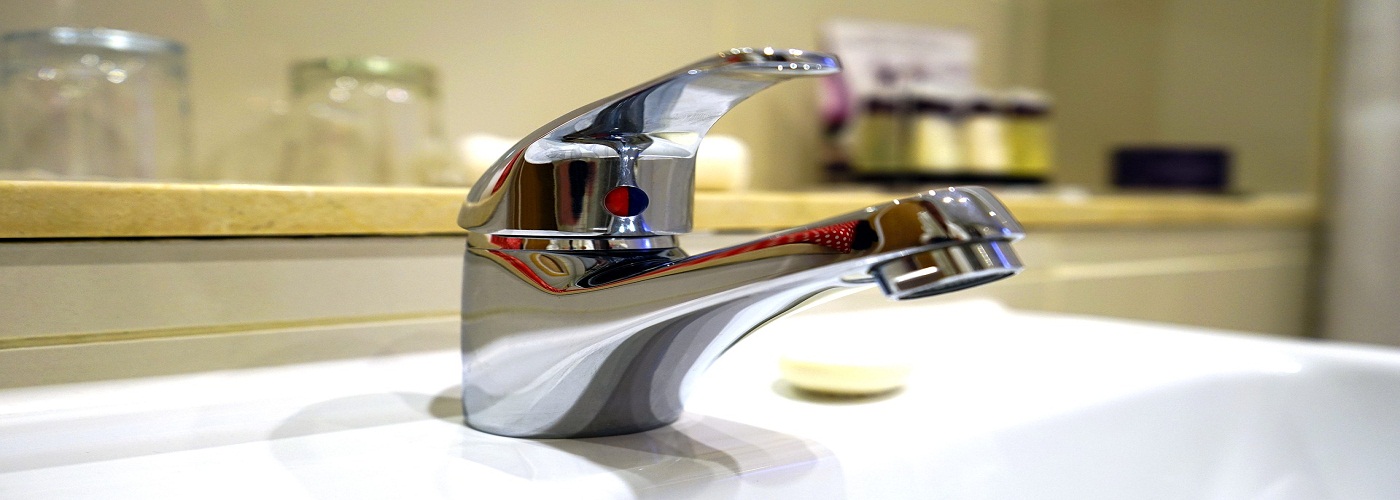
Installing a new kitchen faucet can give your kitchen an instant facelift, improve functionality, and even help save water. But when it comes to having a professional install it, you’re probably wondering, “How much is this going to cost?” Whether you’ve bought a new faucet that needs professional installation or you’re replacing an old, leaky one, it’s essential to understand the various factors that affect the price of installation.
If you’re searching for a “plumber near me” or a reliable Carlsbad plumber, here’s everything you need to know about the cost of installing a kitchen faucet and why hiring a professional is often worth the investment.
Factors That Affect the Cost of Installing a Kitchen Faucet
When hiring a Carlsbad plumber to install a kitchen faucet, the cost can vary depending on several factors. Understanding these variables can give you a clearer idea of what to expect.
Faucet Type
The type of faucet you choose plays a significant role in the installation cost. Standard faucets with a single handle or basic models tend to be easier and quicker to install, so they often cost less in labor. However, more advanced faucets, such as pull-down sprayer models, touchless faucets, or faucets with integrated water filtration systems, are more complex to install, which may increase labor fees.
Labor Charges
Labor rates for plumbers can vary depending on the region and the plumber’s level of experience. In Carlsbad, you can expect to pay between $150 to $300 for a plumber to install a kitchen faucet. If you hire a plumber near you, it’s always a good idea to get multiple quotes to compare prices.
The complexity of the installation job also impacts labor costs. For example, replacing an old faucet with a new one in an existing sink cut-out will be cheaper than installing a faucet in a new kitchen where additional plumbing may be required.
Plumbing Adjustments
If your plumbing setup needs adjustments, such as updating old pipes, installing new shut-off valves, or rerouting water lines, the installation cost can increase. In some cases, the plumber might find corroded or broken pipes that need to be repaired or replaced before installing the new faucet, adding to the overall expense.
Additional Costs
Some plumbers may charge for travel time, disposal of the old faucet, or the complexity of accessing the plumbing under your sink. Always ask your Carlsbad plumber about any potential additional costs that might arise.
DIY vs. Hiring a Professional Plumber
Many homeowners wonder whether they can save money by installing a faucet themselves. While it’s true that a DIY installation can eliminate labor costs, it’s important to consider the challenges and potential risks.
Skill and Experience: Installing a kitchen faucet might seem simple, but without the proper skills and tools, the job can quickly become overwhelming. A DIY installation could lead to leaks or damage to the sink and surrounding plumbing if not done correctly.
Time Investment: What might take a professional plumber near you just a couple of hours could take an inexperienced person an entire day. If you encounter complications, such as poor water pressure or leaking pipes, the job may require even more time and effort.
Warranty and Protection: Many professional plumbers offer warranties on their work, ensuring that if anything goes wrong after installation, they’ll come back and fix it at no additional cost. Additionally, some faucet manufacturers require professional installation to honor their warranties.
Overall, while DIY can save on labor costs, hiring a professional Carlsbad plumber ensures the job is done right, potentially saving you from more expensive repairs down the line.
Average Cost of Faucet Installation
On average, the cost to install a kitchen faucet ranges between $150 to $400. Here’s a rough breakdown of where that money goes:
Basic Faucet Installation: $150 – $250
This price generally covers the installation of a simple, standard faucet where no significant plumbing modifications are required.
Advanced Faucet Installation: $250 – $400
If your faucet has additional features, such as a sprayer, or if any existing plumbing components need to be updated, the cost will be on the higher end.
Plumbing Modifications: $100 – $300 extra
If you’re installing a new sink along with the faucet or making changes to the plumbing setup, expect the costs to rise due to the added labor and materials.
Conclusion
Hiring a Carlsbad plumber to install your kitchen faucet ensures that the job is completed professionally and efficiently. While the cost of installation can range from $150 to $400, factors like faucet type, necessary plumbing adjustments, and labor charges will impact the final bill. While some homeowners might attempt to tackle the job themselves to save money, the benefits of hiring a professional – including time saved, peace of mind, and avoiding potential problems – often outweigh the cost.
For homeowners in Carlsbad and surrounding areas, always consider reaching out to a trusted “plumber near me” for an accurate quote and reliable installation service. By choosing a skilled plumber, you’ll not only ensure a high-quality installation but also protect your kitchen from future plumbing problems.
Do I Need a Plumber to Install a New Faucet?
Replacing or installing a new faucet may seem like a straightforward task, but many homeowners wonder whether they should attempt it themselves or hire a professional. While some faucet installations can be done as a DIY project, there are situations where hiring a plumber near me or a Carlsbad plumber is a better option to avoid potential issues down the road.
In this blog post, we’ll walk through the key factors to consider when deciding whether you need a plumber for your faucet installation. We’ll also discuss the potential complications that can arise and when it’s best to call in a professional.
Upgrading your bathroom or kitchen faucet is an excellent way to give your space a fresh, updated look. Faucet installations are often perceived as a simple task—just unscrew the old faucet, screw in the new one, and you’re done, right? Unfortunately, it’s not always that simple. Depending on the type of faucet, the age of your plumbing, and the condition of the pipes, faucet installation can become a complicated and frustrating process.
This is where the question arises: Do you need a plumber for this task? For those who are experienced with home improvement, the answer might be “no,” but for the average homeowner, it may be wise to leave it to a professional Carlsbad plumber.
When to DIY a Faucet Installation
If you’re comfortable with basic home improvement tasks, you may be able to install a faucet on your own. Here are a few situations where a DIY installation might make sense:
Simple Faucet Replacement: If you’re just swapping out an old faucet for a new one and the layout, water lines, and connections are all in good condition, this can be a relatively easy job. Most faucets come with detailed instructions, and you can find plenty of online tutorials to guide you through the process.
Faucet Location Is Easily Accessible: If your faucet is in an easy-to-reach location, and you’re not dealing with any rusted or hard-to-remove parts, the installation should go smoothly. Just ensure you have all the necessary tools, such as a basin wrench, plumber’s tape, and a bucket to catch any water spills.
No Previous Plumbing Issues: If your pipes are in good condition and you haven’t had any prior leaks or problems with water pressure, a DIY faucet installation is less risky. However, you should still carefully check for any signs of wear on the water lines or connections before starting the job.
You Have the Right Tools: Faucet installation requires certain tools, such as a basin wrench, adjustable pliers, and sometimes caulk or sealant. If you have these on hand and know how to use them, you’re well-prepared for the task.
While a DIY installation can save you money, it’s crucial to know when you’re out of your depth. In some cases, attempting to do it yourself can lead to bigger, more expensive issues if things go wrong.
When to Call a Professional Plumber
For many homeowners, the best course of action is to call a plumber near me to handle the installation. Here are some situations where a professional is essential:
Complicated Plumbing Layout: If your faucet is located in a hard-to-reach place, or if your plumbing layout involves older, corroded pipes, a professional plumber will have the experience and tools to handle the installation. They can also troubleshoot any problems that may arise during the installation process, such as incorrect water pressure or leaky pipes.
Outdated or Damaged Plumbing: If your plumbing is old or in poor condition, there’s a high likelihood that problems will arise during the installation. For example, rusted pipes or corroded fittings can make it difficult to remove the old faucet without damaging the surrounding plumbing. A Carlsbad plumber can inspect your pipes before starting the installation, ensuring everything is up to code and in good working condition.
New Plumbing Connections Needed: If you’re installing a faucet in a new location or changing from a two-handle to a single-handle faucet (or vice versa), you may need to install new water lines or adjust the current plumbing. This is a more complex job that requires professional expertise to avoid leaks or improper installation.
Permits or Code Compliance: Depending on the scope of the project, you may need a permit to make changes to your plumbing system. Local building codes must also be followed to ensure your plumbing is safe and compliant. A professional plumber is familiar with local regulations and can ensure your installation meets all requirements.
Time Constraints: If you’re short on time, hiring a plumber near me will ensure the job is done quickly and correctly. Professional plumbers have the experience and tools needed to complete faucet installations efficiently, whereas a DIY project might take you several hours or even days, especially if you encounter any issues along the way.
Benefits of Hiring a Plumber
While hiring a Carlsbad plumber may cost more than doing it yourself, there are several key benefits to consider:
Expertise: Plumbers have years of experience installing faucets and can quickly identify and solve any problems that arise during installation.
Tools and Equipment: A professional plumber has all the necessary tools and equipment on hand, so you won’t need to spend extra money on tools you may never use again.
Warranty and Insurance: Many plumbers offer warranties on their work, giving you peace of mind that the installation will be done correctly. Additionally, they are insured, which means that if anything goes wrong during the installation, you won’t be held liable for damages.
Long-Term Savings: While it may seem like hiring a plumber is more expensive upfront, it can save you money in the long run by preventing costly mistakes. Improperly installed faucets can lead to water leaks, mold, or even damage to your plumbing system, all of which can be expensive to fix.
Conclusion
In conclusion, whether or not you need a plumber to install a new faucet depends on the complexity of the installation, the condition of your plumbing, and your own level of expertise. For simple faucet replacements, a DIY approach may be sufficient. However, if you’re dealing with older plumbing, a difficult-to-reach location, or the need for new plumbing connections, it’s best to call a Carlsbad plumber or search for a plumber near me to handle the job professionally.
A properly installed faucet ensures that you won’t have to deal with leaks, water damage, or other costly issues down the road. Investing in a professional plumber may save you time, effort, and money in the long run, making it a worthwhile decision for many homeowners.
How Much Does It Cost to Install a New Faucet?
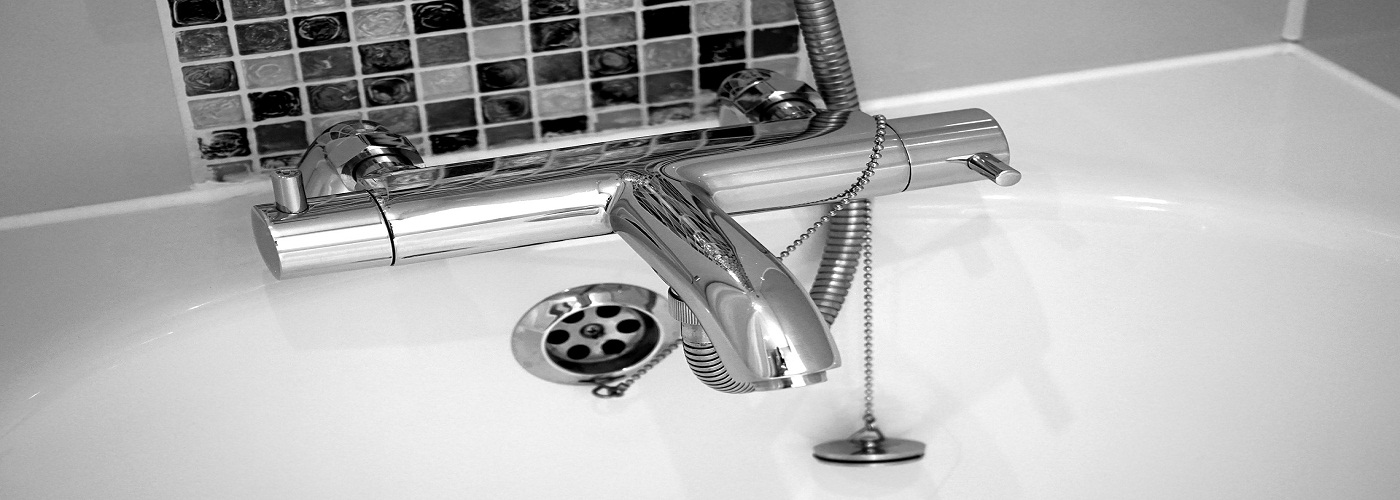
When it comes to home improvement projects, installing a new faucet is one of the simplest yet most impactful changes you can make. Whether you’re upgrading an outdated fixture, fixing a leaky one, or simply wanting to refresh your kitchen or bathroom, a new faucet can improve both the functionality and aesthetics of your space. However, before you get started, it’s essential to understand the costs associated with faucet installation. This article will break down the factors that influence the cost, provide an overview of the average expenses, and explain how working with a plumber near me or a Carlsbad plumber can ensure a smooth installation process.
1. Factors Affecting the Cost of Faucet Installation
Several factors can influence the cost of installing a new faucet, and understanding these can help you make an informed decision.
- Type of Faucet: Faucets come in a wide variety of styles, sizes, and functionalities. A standard single-handle faucet will typically cost less to install than a high-end, dual-handle model with additional features like a pull-out sprayer or touchless operation. If you choose a more complex faucet, the installation process may also be more labor-intensive, which can drive up the cost.
- Brand and Quality: The brand and quality of the faucet you select will also impact the overall cost. High-end brands that use premium materials and offer advanced features tend to be more expensive both in terms of the faucet itself and the installation. On the other hand, more affordable brands may offer basic, no-frills options that are easier and cheaper to install.
- Existing Plumbing Conditions: The state of your current plumbing setup plays a significant role in determining the installation cost. If your existing plumbing is in good condition and the new faucet is compatible with the current configuration, the installation process will be straightforward and less costly. However, if there are underlying issues such as corroded pipes, incompatible connections, or the need to install additional plumbing components, the cost will likely increase.
- Location: The location of the faucet installation can also affect the price. For instance, installing a new faucet in the kitchen may be more complex than replacing one in the bathroom due to differences in plumbing configurations. Additionally, if your installation requires work in hard-to-reach areas, this can add to the labor costs.
- Labor Costs: Labor costs can vary depending on where you live and the plumber you choose. Hiring a Carlsbad plumber or a plumber near me ensures that you are getting a local professional who understands the specific needs of your area. Experienced plumbers may charge more for their services, but their expertise can save you time and money in the long run by avoiding mistakes or subpar work.
2. Average Cost of Faucet Installation
So, how much should you expect to pay for a new faucet installation? On average, the cost can range from $150 to $350, including labor. However, this figure can vary widely based on the factors mentioned earlier.
- Basic Installation: For a simple faucet replacement where the new faucet is similar to the old one and no additional plumbing work is needed, you can expect to pay on the lower end of the spectrum, around $150 to $200.
- Mid-Range Installation: If you’re installing a more complex faucet with additional features, or if minor plumbing adjustments are needed, the cost can range from $200 to $300.
- High-End Installation: For premium faucets, extensive plumbing work, or installations in hard-to-reach areas, the cost can exceed $300, potentially reaching up to $500 or more.
Remember, these are general estimates, and the actual cost can vary based on your specific situation. It’s always a good idea to get multiple quotes from local plumbers to compare prices and services.
3. Why Hire a Professional Plumber?
While some homeowners may consider installing a new faucet themselves to save money, hiring a professional plumber near me or a Carlsbad plumber is often the best choice for several reasons:
- Expertise: Professional plumbers have the experience and knowledge to handle a wide range of faucet installations. They can quickly identify any potential issues and ensure that the installation is done correctly, reducing the risk of leaks or other problems down the line.
- Efficiency: A skilled plumber can complete the installation in a fraction of the time it might take a DIY enthusiast. This efficiency is especially valuable if you encounter unexpected challenges or need the job done quickly.
- Warranty and Peace of Mind: Many professional plumbers offer warranties on their work, giving you peace of mind that any issues that arise after the installation will be addressed. Additionally, having a professional install your faucet can help protect any existing warranties on the faucet itself, as some manufacturers require professional installation for the warranty to remain valid.
Conclusion
Installing a new faucet can enhance both the functionality and appearance of your kitchen or bathroom, but it’s essential to understand the costs involved before you begin. Factors such as the type of faucet, brand, existing plumbing conditions, and labor costs all contribute to the overall expense. On average, you can expect to pay between $150 and $350 for a standard installation, though more complex jobs may cost more.
To ensure a smooth and hassle-free installation, it’s always advisable to hire a professional Carlsbad plumber or a plumber near me. Their expertise, efficiency, and the added peace of mind that comes with professional installation make it a worthwhile investment.
How to Replace a Kitchen Faucet with Two Handles
Replacing a kitchen faucet with two handles might seem like a daunting task, but with the right tools and a bit of patience, it’s a manageable project for most homeowners. Whether you’re upgrading to a new style or fixing a malfunctioning faucet, this guide will walk you through the process step-by-step. If you ever feel unsure or encounter complications, don’t hesitate to search for a plumber near me or contact a reliable Carlsbad plumber for assistance.
A kitchen faucet with two handles is a classic choice for many homes. It offers separate controls for hot and cold water, allowing for precise temperature adjustments. Over time, however, wear and tear can lead to leaks, reduced water pressure, or outdated aesthetics, prompting the need for a replacement. This blog post will provide a detailed guide on how to replace a two-handle kitchen faucet, ensuring your kitchen maintains both its functionality and appeal.
Tools and Materials Needed
Before you begin, gather the necessary tools and materials:
- New two-handle faucet
- Adjustable wrench
- Basin wrench
- Plumber’s tape
- Bucket or towels
- Cleaning supplies (e.g., sponge, scrub brush)
- Silicone sealant (optional)
Step 1: Turn Off the Water Supply
Locate the water shut-off valves under the sink and turn them off by rotating them clockwise. If there are no shut-off valves, you may need to turn off the main water supply to your house. Open the faucet handles to release any remaining water in the lines.
Step 2: Disconnect the Supply Lines
Place a bucket or towels under the sink to catch any water that may spill out. Use an adjustable wrench to disconnect the water supply lines from the faucet. If the connections are tight or difficult to reach, a basin wrench can provide extra leverage and flexibility.
Step 3: Remove the Old Faucet
Under the sink, you’ll find mounting nuts securing the faucet to the sink. Use the basin wrench to loosen and remove these nuts. Once the nuts are removed, lift the old faucet out of the sink. If the faucet is stuck, gently wiggle it back and forth to break any seal created by old plumber’s putty or sealant.
Step 4: Clean the Sink Area
With the old faucet removed, take the opportunity to clean the area around the faucet holes. Remove any old plumber’s putty, grime, or mineral deposits using a sponge and mild cleaner. Ensuring a clean surface will help the new faucet create a proper seal.
Step 5: Install the New Faucet
Follow the manufacturer’s instructions for installing the new faucet. Typically, this involves placing a rubber gasket or plumber’s putty around the base of the faucet to create a watertight seal. Insert the faucet into the mounting holes on the sink.
Step 6: Secure the Faucet
From under the sink, thread the mounting nuts onto the faucet shanks. Tighten them by hand first, then use a basin wrench to secure them firmly. Be careful not to overtighten, as this could damage the sink or the faucet.
Step 7: Connect the Supply Lines
Attach the water supply lines to the corresponding hot and cold shanks on the new faucet. Use plumber’s tape on the threads to ensure a secure, leak-free connection. Tighten the connections with an adjustable wrench, being careful not to overtighten.
Step 8: Turn On the Water Supply
Slowly turn the water shut-off valves back on by rotating them counterclockwise. Open both faucet handles to allow air to escape from the lines and check for leaks around the connections. If you notice any leaks, gently tighten the connections as needed.
Step 9: Test the Faucet
Run both hot and cold water through the new faucet to ensure proper installation. Check the water pressure and make sure there are no drips or leaks. Adjust the handles to verify smooth operation and consistent temperature control.
Step 10: Final Touches
If your new faucet includes decorative escutcheons or trim pieces, install them according to the manufacturer’s instructions. Clean the sink area one final time to remove any debris or fingerprints.
Conclusion
Replacing a kitchen faucet with two handles is a rewarding DIY project that can enhance the functionality and appearance of your kitchen. By following these steps, you can confidently tackle the task and enjoy the benefits of a new, efficient faucet. However, if you encounter any challenges or prefer professional assistance, don’t hesitate to contact a Carlsbad plumber or search for a plumber near me. Professional plumbers can ensure the job is done correctly and efficiently, giving you peace of mind and a fully functional kitchen.
What is needed to install a faucet?
Installing a new faucet can be a rewarding home improvement project that enhances the look and functionality of your kitchen or bathroom. While it may seem like a straightforward task, proper installation requires careful preparation, the right tools, and some plumbing know-how. In this blog post, we will explore what is needed to install a faucet, step-by-step, and when it might be best to call a professional plumber near me or a Carlsbad plumber to ensure the job is done correctly.
Faucet installation is a common home improvement project that can update the appearance and improve the functionality of your kitchen or bathroom. However, it requires a good understanding of plumbing basics and the right tools to avoid leaks and ensure a secure fit. Whether you’re replacing an old faucet or installing a new one, this guide will walk you through the necessary steps and highlight when it’s advisable to seek the help of a professional plumber near me or a Carlsbad plumber.
Tools and Materials Needed
Before starting the installation, gather the following tools and materials to ensure a smooth process:
- New Faucet: Ensure the faucet you choose matches the mounting holes and style of your sink or countertop.
- Basin Wrench: This tool is essential for reaching and tightening nuts in hard-to-reach areas under the sink.
- Adjustable Wrench: Useful for tightening and loosening nuts and bolts.
- Plumber’s Putty or Silicone Caulk: Used to create a watertight seal around the faucet base.
- Teflon Tape: Also known as plumber’s tape, it helps prevent leaks at threaded connections.
- Bucket or Towel: To catch any water that may spill during the installation.
- Supply Lines: Flexible hoses that connect the faucet to the water supply.
- Screwdriver: May be needed for removing old faucet parts or securing new components.
Step-by-Step Installation
Step 1: Turn Off the Water Supply
The first step is to shut off the water supply to the sink. Locate the shutoff valves under the sink and turn them clockwise to close them. If your sink doesn’t have shutoff valves, you may need to turn off the main water supply to your home.
Step 2: Remove the Old Faucet
Place a bucket or towel under the sink to catch any water that may spill. Use an adjustable wrench to disconnect the water supply lines from the faucet. Then, use a basin wrench to loosen and remove the nuts securing the old faucet to the sink or countertop. Carefully lift the old faucet out and clean the area where the new faucet will be installed.
Step 3: Prepare the New Faucet
Apply a bead of plumber’s putty or a ring of silicone caulk around the base of the new faucet to create a watertight seal. If your faucet comes with a gasket, place it between the faucet and the sink.
Step 4: Install the New Faucet
Insert the faucet through the mounting holes in the sink or countertop. From under the sink, thread the mounting nuts onto the faucet and tighten them using a basin wrench. Be careful not to overtighten, as this can damage the sink or faucet.
Step 5: Connect the Water Supply Lines
Attach the new supply lines to the faucet’s hot and cold water inlets. Wrap the threaded ends with Teflon tape to prevent leaks. Connect the other end of the supply lines to the shutoff valves and tighten them with an adjustable wrench.
Step 6: Turn On the Water Supply and Check for Leaks
Turn on the shutoff valves under the sink and slowly open the faucet to release any trapped air. Check all connections for leaks. If you find any, tighten the connections as needed or apply more Teflon tape.
Step 7: Test the Faucet
Run the water for a few minutes to ensure the faucet is working correctly and there are no leaks. Check both hot and cold water functions and adjust as necessary.
When to Call a Professional
While installing a faucet can be a manageable DIY project, there are times when it’s best to call a professional plumber near me or a Carlsbad plumber:
- Complex Plumbing Issues: If your plumbing system is outdated or you encounter unexpected complications, a professional can address the issue without causing further damage.
- Time Constraints: If you don’t have the time to dedicate to the installation, hiring a professional ensures the job is done quickly and correctly.
- Lack of Tools: Professional plumbers have specialized tools that can make the installation process easier and more efficient.
Conclusion
Installing a faucet can enhance the functionality and aesthetics of your kitchen or bathroom. By following the proper steps and using the right tools, you can complete the installation successfully. However, if you encounter any difficulties or prefer to have the job done by an expert, don’t hesitate to contact a plumber near me or a Carlsbad plumber. Professional plumbers can ensure a smooth and leak-free installation, giving you peace of mind and a properly functioning faucet.
Five Steps to Fix a Faucet Like a Pro
A dripping faucet is not just an irritation; it’s a water-wasting culprit that can lead to increased utility bills and potential damage. The good news is that fixing a faucet is a task that, with a bit of guidance, can be accomplished by homeowners. In this guide, we’ll walk through the five crucial steps to fix a faucet and put an end to that persistent drip. For those seeking professional assistance, a quick search for plumber near me or Carlsbad plumber can provide expert help.
Step 1: Turn Off the Water Supply
The first and most crucial step in any faucet repair is to turn off the water supply. Locate the shutoff valves under the sink or, if unavailable, turn off the main water supply to the house. This step ensures that you can work on the faucet without water flow, preventing potential mess and allowing for a focused repair process.
Step 2: Identify the Type of Faucet
Faucets come in various types, and each has its unique components. The two primary types are compression faucets and cartridge faucets. Understanding the type of faucet you’re dealing with is essential for targeted repairs. Compression faucets have washers that often wear out and cause leaks, while cartridge faucets have a cartridge that may need replacement.
Step 3: Disassemble the Faucet
Once the water supply is off and you’ve identified the type of faucet, it’s time to disassemble it. This involves removing handles, spouts, and any decorative components. Use the appropriate tools, such as screwdrivers or wrenches, to carefully disassemble the faucet without causing damage. Take note of the order in which you remove components; this will be crucial during reassembly.
Step 4: Inspect and Replace Faulty Parts
With the faucet disassembled, inspect each part for signs of wear or damage. In compression faucets, worn-out washers are often the cause of leaks. In cartridge faucets, a faulty cartridge might be the issue. Replace any damaged or worn-out parts with new, compatible ones. It’s crucial to use replacement parts that match the specific make and model of your faucet.
Step 5: Reassemble and Test
After replacing any faulty parts, carefully reassemble the faucet in the reverse order of disassembly. Ensure that each component is securely tightened but avoid over-tightening, which could lead to damage. Once reassembled, turn the water supply back on and test the faucet for leaks. Run both hot and cold water to check for any irregularities and confirm that the dripping has ceased.
Conclusion: A Drip-Free Victory
Fixing a faucet might seem daunting, but with these five steps, homeowners can transform a persistent annoyance into a DIY victory. However, for those who prefer the expertise of professionals, reaching out to a “plumber near me” or “Carlsbad plumber” can provide assurance that the repair is handled with precision.
In mastering the art of faucet repair, homeowners not only save on water bills but also gain a sense of accomplishment, turning a potentially costly problem into a satisfying solution.
Faucet Installation: A Comprehensive Guide To A Smooth And Efficient Process
Whether you are remodeling your kitchen or bathroom or simply need to replace an old, leaky faucet, proper installation is crucial to ensure functionality and avoid future plumbing issues. The task of faucet installation may appear daunting at first, but with proper knowledge and a systematic approach, it can be a smooth and efficient process. In this article, we will guide you through the necessary steps, provide valuable tips, and offer insights into why hiring a professional plumber near you, such as a reputable Carlsbad plumber, maybe the best route to go.
The Importance of Proper Faucet Installation
Before diving into the installation process, it is essential to understand why proper faucet installation is so vital. A well-installed faucet ensures a seamless flow of water without leaks, drips, or other common issues that could arise from improper installation. By considering the following guidelines, you can rest assured that your faucet will function optimally for years to come.
Step 1: Gather Essential Tools and Materials
Start by collecting all the necessary tools and materials to avoid multiple trips to the hardware store throughout the installation process. Some of the tools you will likely need include an adjustable wrench, pliers, a basin wrench, a pipe cutter, a plumber’s tape, and a screwdriver. Additionally, verify that you have all the required parts supplied with your new faucet, as well as any additional components specific to your plumbing setup.
Step 2: Turn Off the Water Supply
Before proceeding, turn off the water supply to the faucet you are replacing. Locate the shut-off valves under the sink and close them firmly to prevent any water flow. If you are unable to find the shut-off valves or if they are faulty, locate the main water shut-off valve for your house and turn off the water supply from there.
Step 3: Remove the Old Faucet
To remove the old faucet, start by disconnecting the water supply lines. Use an adjustable wrench and pliers to loosen and remove the nuts and connectors. Once disconnected, be sure to place a towel or bucket beneath the sink to catch any residual water. Next, remove any mounting nuts securing the faucet to the sink or countertop, and gently lift the old faucet away.
Step 4: Prepare for New Faucet Installation
Before installing the new faucet, clean the surface thoroughly and ensure that it is free from any debris. Additionally, inspect the pre-existing water supply lines and evaluate their condition. If they show signs of wear or damage, it is advisable to replace them to prevent potential leaks in the future. Measure the existing water supply lines and compare them to the dimensions of the new faucet to ensure a proper fit.
Step 5: Install the New Faucet
Begin the installation process by attaching any necessary components, such as handles or spouts, to the main faucet body. Apply the plumber’s tape to the threading of the supply lines to ensure a tight and leak-free seal. Carefully position the faucet into the mounting holes, ensuring that it sits flush against the sink or countertop. Secure the faucet in place using the provided mounting nuts, tightening them with a basin wrench for a secure fit.
Step 6: Connect Water Supply Lines
With the faucet securely in place, reconnect the water supply lines by tightening the nuts onto the threaded connectors. Use an adjustable wrench or pliers to achieve a snug fit, being careful not to overtighten and risk damaging the connections. Once connected, turn on the shut-off valves slowly and check for any leaks around the connections.
Step 7: Test and Inspect
Finally, turn on the faucet and test the water flow and temperature control. Check for any leaks around the base or handles, and ensure that the handles move smoothly without any stiffness. In case of any issues or concerns, it is advisable to contact a professional plumber near you, ideally a respected Carlsbad plumber, who can address and rectify any potential problems.
Conclusion
While faucet installation might seem intimidating at first, following these step-by-step guidelines will ensure a successful and efficient process. By gathering the necessary tools, preparing the area, and taking your time to properly install and connect the new faucet, you can avoid future plumbing headaches. Remember, if you encounter any difficulties or simply prefer the peace of mind that professionals offer, reaching out to a plumber near you, such as a reputable Carlsbad plumber, can guarantee an expertly installed faucet that will stand the test of time.
Faucet Installation: A Step-By-Step Guide For A Perfect Plumbing Upgrade
Installing a new faucet may seem like a daunting task for many homeowners. The process may appear complex, and the fear of causing a plumbing disaster often holds people back. However, with the right guidance and a methodical approach, faucet installation can be a straightforward DIY project. In this blog post, we will walk you through the steps for a successful faucet installation, ensuring a seamless upgrade in your plumbing system.
Gathering the Necessary Tools and Materials
Before diving into the installation process, it is crucial to gather all the required tools and materials. This will help you proceed smoothly without any unnecessary interruptions. Here is a list of items you will need:
- Wrenches (including an adjustable wrench)
- Plumber’s tape
- Screwdriver (both flathead and Phillips)
- Basin wrench
- New faucet set
- Rags or towels
- Bucket or bowl
- Flashlight (if necessary)
- Plumber’s putty (if required)
Ensure you have all these items ready before you begin the installation process. This will save you precious time and allow you to focus on the task at hand.
Step-by-Step Faucet Installation Guide
1. Turn Off the Water Supply
Before starting any plumbing project, it is essential to turn off the water supply to avoid any potential leaks or water damage. To do this, locate the shut-off valve under the sink and rotate it clockwise until it is fully closed. If you cannot find the valve or are unsure how to turn off the water, it is advisable to call a professional plumber near you to assist you with the task.
2. Remove the Old Faucet
Begin by disconnecting the supply lines from the old faucet. Using an adjustable wrench or an appropriate size wrench, loosen the nuts connecting the supply lines to the faucet. Place a bucket or bowl beneath to catch any remaining water that may spill out during the process.
Once the supply lines are disconnected, remove any remaining nuts or brackets securing the faucet to the sink. Gently lift the old faucet out and set it aside. Be cautious while removing any old caulk or putty, as excessive force can damage the sink surface.
3. Prepare the Installation Area
Wipe the area where the old faucet was removed with a rag or towel to ensure it is clean and dry. This step is essential for proper adhesion and prevents any debris from getting lodged during the installation process.
4. Apply Plumber’s Tape
Take the plumber’s tape and wrap it tightly around the threaded ends of the supply lines. This will create a tight seal and prevent any leaks from occurring once the new faucet is installed.
5. Install the New Faucet
Carefully place the new faucet set into the mounting holes on the sink. Ensure that the faucet is aligned properly before proceeding. Once it is in position, secure it by tightening the nuts underneath using a basin wrench. Take care not to overtighten, as it may damage the fixtures or cause leaks.
6. Connect the Supply Lines
Attach the supply lines to the respective hot and cold water inlets on the faucet. Use an adjustable wrench or an appropriate-size wrench to tighten the connections. Again, be cautious not to overtighten, as it may cause leaks or damage to the fittings.
7. Check for Leaks
After completing the installation, turn the water supply back on gradually. Inspect the connections and fittings for any signs of leaks. If leaks occur, tighten the connections further or consider applying the plumber’s tape to create a stronger seal.
8. Test the Faucet
Once you have ensured a leak-free installation, test the faucet by turning the handles on and off. Check if the water flow is smooth and if there are any unusual sounds or vibrations.
Conclusion
By following these simple steps, you can successfully install a new faucet and achieve a perfect plumbing upgrade. However, if you feel uncomfortable or encounter any difficulties during the process, it is always best to seek the assistance of a reliable professional plumber, such as the Carlsbad plumbers near you. Their expertise can provide peace of mind and guarantee a flawless faucet installation.
Remember, faucet installation may seem intimidating at first, but with proper guidance and the right tools, you can complete the task confidently. So, go ahead and embark on this DIY project to revitalize your kitchen or bathroom with a sparkling new faucet!
The Importance Of Proper Faucet Installation
Installing a faucet may seem like a straightforward task that anyone can handle. However, it is essential to approach this job with caution and hire a professional if necessary. A faulty faucet installation can lead to a multitude of problems, including leaks, damage to your plumbing system, and costly repairs. In this article, we will explore the importance of proper faucet installation and highlight why it’s crucial to consult with a reputable plumber near you, such as a Carlsbad plumber, for this task.
The Risks of DIY Faucet Installation
Many individuals are tempted to tackle faucet installation as a DIY project to save some money. While it’s commendable to be hands-on with home maintenance, plumbing is a complex system that requires expertise and precision. Here are some risks associated with DIY faucet installation that should not be taken lightly:
- Leaky Faucets: Improper installation can lead to a leaky faucet, wasting gallons of water over time. Beyond the environmental impact, a leaking faucet can significantly increase your water bills. Only a trained plumber understands the intricate components and seals that must be carefully inspected and installed to ensure a watertight fixture.
- Water Pressure Issues: An incorrectly installed faucet may disrupt the water pressure in your entire plumbing system. The aerator, which regulates the flow of water, could become faulty, causing irregularities in water volume and pressure. This can be frustrating when performing routine tasks such as washing dishes or taking a shower. Hiring a professional ensures that your faucet is installed correctly, ensuring optimal water pressure throughout your home.
- Structural Damage: Faulty plumbing can cause significant structural damage to your home. A minor leak from improper installation can gradually worsen, leading to mold growth, rotting wood, and compromising the integrity of your walls or floors. By relying on an experienced plumber near you, you can prevent potential disasters and avoid expensive repairs in the long run.
The Expertise of a Professional Plumber
Choosing a reputable plumber, such as a Carlsbad plumber, to install your faucet is vital. These professionals possess the necessary expertise, experience, and tools to ensure a seamless installation. Here’s why hiring a licensed plumber is a smart decision:
- Knowledge and Experience: Professional plumbers undergo extensive training and have years of experience in their field. They are well-versed in the latest industry techniques, ensuring that your faucet is installed correctly, efficiently, and with attention to detail. Their expertise allows them to identify and address any potential issues before they become major problems.
- Correct Tools and Equipment: Plumbing projects require specialized tools that may not be readily available to homeowners. A professional plumber comes equipped with the right tools and materials needed for a successful installation. This ensures that your faucet is fastened securely and functions optimally, without the risk of leaks or other complications.
- Timely and Reliable Service: Hiring a reputable plumber near you means you can rely on their punctuality and professionalism. They understand that your time is valuable and strive to complete the installation efficiently, without compromising quality. Additionally, should any issues arise during the installation or afterward, professional plumbers are easily reachable, providing peace of mind and a sense of security.
Conclusion
In conclusion, investing in a professional plumber for faucet installation is an essential step towards maintaining a functional and efficient plumbing system. Attempting a DIY approach might seem tempting, but the potential risks of leaks, water pressure issues, and structural damage make it unwise. By consulting a licensed plumber, you’ll benefit from their expertise, correct tools, and reliable service. So, when it comes to faucet installation, don’t hesitate to contact a reputable Carlsbad plumber near you for a hassle-free and seamless experience. Your peace of mind and the longevity of your plumbing system will thank you.
The Art Of Faucet Installation: Ensuring A Hassle-Free Experience
Installing a faucet is often an underestimated task in the realm of home improvement. It may seem like a simple endeavor but don’t make the mistake of taking it lightly. A properly installed and maintained faucet can bring both functionality and aesthetic appeal to any bathroom or kitchen. On the other hand, a poorly executed installation can result in leaks, drips, and a never-ending cycle of frustration. To avoid such issues, it’s crucial to approach faucet installation with precision and expertise. In this article, we will explore the art of faucet installation, providing valuable insights for a successful and hassle-free experience.
I. Preparation: The Foundation for Success
Before embarking on your faucet installation journey, it’s essential to prepare thoroughly. This stage will set the tone for the entire process, ensuring optimal results. Here are some key preparatory steps to follow:
1. Gather the necessary tools and materials.
You’ll need a few essential tools, such as an adjustable wrench, pliers, screwdrivers, and plumber’s tape, among others. Ensure that you have everything required before initiating the installation process to avoid unnecessary trips to the store.
2. Turn off the water supply.
Locate the water shut-off valve near your sink or bathroom and turn it off. This step is essential for preventing any water damage or unexpected leakage during the installation process.
3. Inspect your existing plumbing.
Take some time to inspect the existing plumbing beneath the sink or near the area where you intend to install the new faucet. Look for any signs of wear, damage, or irregularities. If you encounter any issues or uncertainties, it’s advisable to consult a professional plumber near you or contact a trusted Carlsbad plumber for assistance.
II. Installation: Precision and Patience
Now that you’ve completed the preparatory stage, it’s time to dive into the installation process itself. Follow these steps diligently, and you’ll find yourself triumphing over potential faucet-related woes:
1. Disconnect the old faucet.
Using your tools, carefully loosen and remove the nuts and bolts attaching the existing faucet to the sink. Be cautious and gentle to avoid damaging any surrounding surfaces or pipes. Once detached, safely remove the old faucet from the sink.
2. Clean the installation area.
Take a moment to clean the area where the old faucet was located. Remove any debris, old plumber’s tape, or buildup that may interfere with the proper installation of your new faucet. This ensures a clean and seamless transition to the next step.
3. Install the new faucet.
Follow the manufacturer’s instructions for installing your new faucet. Apply the plumber’s tape to any threaded connections to create a tight seal and prevent future leaks. Carefully place the new faucet onto the sink, guiding any necessary tubes or hoses through the designated holes. Tighten the nuts and bolts, using the appropriate tools, ensuring a secure fit.
4. Turn on the water supply and check for leaks.
Once the new faucet is securely in place, turn the water supply back on and check for any signs of leakage. Monitor the faucet carefully for a few minutes, paying close attention to the connections and joints. If you identify any leaks or irregularities, it’s crucial to address them promptly and efficiently. A plumber near you, or a trusted Carlsbad plumber, can provide professional assistance in resolving such issues.
III. Maintenance: The Key to Longevity
Congratulations! You’ve successfully installed your new faucet and ensured functionality and elegance in your bathroom or kitchen. However, the journey doesn’t end here. To maintain the longevity and efficiency of your newly installed faucet, periodic maintenance is essential. Here are a few crucial tips to remember:
- Regularly clean your faucet to prevent mineral buildup or corrosion.
- Inspect the connections, joints, and handles for any signs of wear or leaks.
- Immediately address any dripping or leaking faucets to prevent water waste and potential damage.
- Consider scheduling routine inspections by a professional plumber, especially for more complex faucet installations or if you’re experiencing any persistent issues.
IV. Conclusion
Faucet installation is an art that requires precision, patience, and mindful execution. By following the preparatory steps diligently, conducting the installation process with care, and maintaining your faucet adequately, you can ensure a hassle-free experience and enjoy the benefits of a well-functioning and visually appealing faucet. Remember, if you encounter any challenges or uncertainties, it’s always wise to seek the assistance of a qualified plumber near you or a reliable Carlsbad plumber. Embrace the art of faucet installation, and transform your space into an oasis of functionality and style.