Tag: Carlsbad Plumber
How Much Does It Cost to Install a New Faucet?
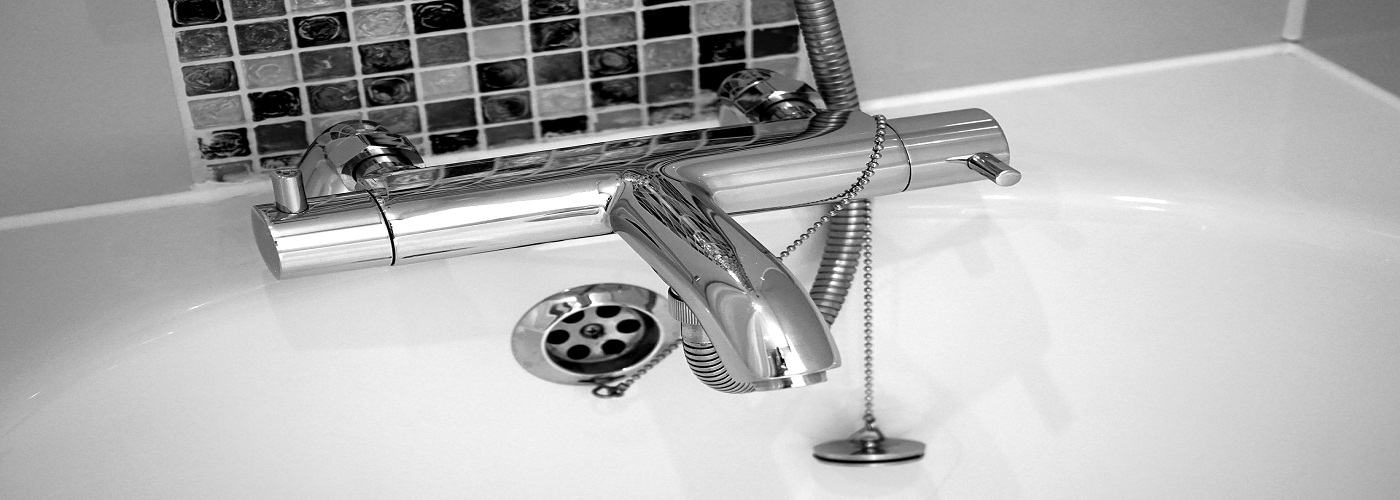
When it comes to home improvement projects, installing a new faucet is one of the simplest yet most impactful changes you can make. Whether you’re upgrading an outdated fixture, fixing a leaky one, or simply wanting to refresh your kitchen or bathroom, a new faucet can improve both the functionality and aesthetics of your space. However, before you get started, it’s essential to understand the costs associated with faucet installation. This article will break down the factors that influence the cost, provide an overview of the average expenses, and explain how working with a plumber near me or a Carlsbad plumber can ensure a smooth installation process.
1. Factors Affecting the Cost of Faucet Installation
Several factors can influence the cost of installing a new faucet, and understanding these can help you make an informed decision.
- Type of Faucet: Faucets come in a wide variety of styles, sizes, and functionalities. A standard single-handle faucet will typically cost less to install than a high-end, dual-handle model with additional features like a pull-out sprayer or touchless operation. If you choose a more complex faucet, the installation process may also be more labor-intensive, which can drive up the cost.
- Brand and Quality: The brand and quality of the faucet you select will also impact the overall cost. High-end brands that use premium materials and offer advanced features tend to be more expensive both in terms of the faucet itself and the installation. On the other hand, more affordable brands may offer basic, no-frills options that are easier and cheaper to install.
- Existing Plumbing Conditions: The state of your current plumbing setup plays a significant role in determining the installation cost. If your existing plumbing is in good condition and the new faucet is compatible with the current configuration, the installation process will be straightforward and less costly. However, if there are underlying issues such as corroded pipes, incompatible connections, or the need to install additional plumbing components, the cost will likely increase.
- Location: The location of the faucet installation can also affect the price. For instance, installing a new faucet in the kitchen may be more complex than replacing one in the bathroom due to differences in plumbing configurations. Additionally, if your installation requires work in hard-to-reach areas, this can add to the labor costs.
- Labor Costs: Labor costs can vary depending on where you live and the plumber you choose. Hiring a Carlsbad plumber or a plumber near me ensures that you are getting a local professional who understands the specific needs of your area. Experienced plumbers may charge more for their services, but their expertise can save you time and money in the long run by avoiding mistakes or subpar work.
2. Average Cost of Faucet Installation
So, how much should you expect to pay for a new faucet installation? On average, the cost can range from $150 to $350, including labor. However, this figure can vary widely based on the factors mentioned earlier.
- Basic Installation: For a simple faucet replacement where the new faucet is similar to the old one and no additional plumbing work is needed, you can expect to pay on the lower end of the spectrum, around $150 to $200.
- Mid-Range Installation: If you’re installing a more complex faucet with additional features, or if minor plumbing adjustments are needed, the cost can range from $200 to $300.
- High-End Installation: For premium faucets, extensive plumbing work, or installations in hard-to-reach areas, the cost can exceed $300, potentially reaching up to $500 or more.
Remember, these are general estimates, and the actual cost can vary based on your specific situation. It’s always a good idea to get multiple quotes from local plumbers to compare prices and services.
3. Why Hire a Professional Plumber?
While some homeowners may consider installing a new faucet themselves to save money, hiring a professional plumber near me or a Carlsbad plumber is often the best choice for several reasons:
- Expertise: Professional plumbers have the experience and knowledge to handle a wide range of faucet installations. They can quickly identify any potential issues and ensure that the installation is done correctly, reducing the risk of leaks or other problems down the line.
- Efficiency: A skilled plumber can complete the installation in a fraction of the time it might take a DIY enthusiast. This efficiency is especially valuable if you encounter unexpected challenges or need the job done quickly.
- Warranty and Peace of Mind: Many professional plumbers offer warranties on their work, giving you peace of mind that any issues that arise after the installation will be addressed. Additionally, having a professional install your faucet can help protect any existing warranties on the faucet itself, as some manufacturers require professional installation for the warranty to remain valid.
Conclusion
Installing a new faucet can enhance both the functionality and appearance of your kitchen or bathroom, but it’s essential to understand the costs involved before you begin. Factors such as the type of faucet, brand, existing plumbing conditions, and labor costs all contribute to the overall expense. On average, you can expect to pay between $150 and $350 for a standard installation, though more complex jobs may cost more.
To ensure a smooth and hassle-free installation, it’s always advisable to hire a professional Carlsbad plumber or a plumber near me. Their expertise, efficiency, and the added peace of mind that comes with professional installation make it a worthwhile investment.
How to Replace a Kitchen Faucet with Two Handles
Replacing a kitchen faucet with two handles might seem like a daunting task, but with the right tools and a bit of patience, it’s a manageable project for most homeowners. Whether you’re upgrading to a new style or fixing a malfunctioning faucet, this guide will walk you through the process step-by-step. If you ever feel unsure or encounter complications, don’t hesitate to search for a plumber near me or contact a reliable Carlsbad plumber for assistance.
A kitchen faucet with two handles is a classic choice for many homes. It offers separate controls for hot and cold water, allowing for precise temperature adjustments. Over time, however, wear and tear can lead to leaks, reduced water pressure, or outdated aesthetics, prompting the need for a replacement. This blog post will provide a detailed guide on how to replace a two-handle kitchen faucet, ensuring your kitchen maintains both its functionality and appeal.
Tools and Materials Needed
Before you begin, gather the necessary tools and materials:
- New two-handle faucet
- Adjustable wrench
- Basin wrench
- Plumber’s tape
- Bucket or towels
- Cleaning supplies (e.g., sponge, scrub brush)
- Silicone sealant (optional)
Step 1: Turn Off the Water Supply
Locate the water shut-off valves under the sink and turn them off by rotating them clockwise. If there are no shut-off valves, you may need to turn off the main water supply to your house. Open the faucet handles to release any remaining water in the lines.
Step 2: Disconnect the Supply Lines
Place a bucket or towels under the sink to catch any water that may spill out. Use an adjustable wrench to disconnect the water supply lines from the faucet. If the connections are tight or difficult to reach, a basin wrench can provide extra leverage and flexibility.
Step 3: Remove the Old Faucet
Under the sink, you’ll find mounting nuts securing the faucet to the sink. Use the basin wrench to loosen and remove these nuts. Once the nuts are removed, lift the old faucet out of the sink. If the faucet is stuck, gently wiggle it back and forth to break any seal created by old plumber’s putty or sealant.
Step 4: Clean the Sink Area
With the old faucet removed, take the opportunity to clean the area around the faucet holes. Remove any old plumber’s putty, grime, or mineral deposits using a sponge and mild cleaner. Ensuring a clean surface will help the new faucet create a proper seal.
Step 5: Install the New Faucet
Follow the manufacturer’s instructions for installing the new faucet. Typically, this involves placing a rubber gasket or plumber’s putty around the base of the faucet to create a watertight seal. Insert the faucet into the mounting holes on the sink.
Step 6: Secure the Faucet
From under the sink, thread the mounting nuts onto the faucet shanks. Tighten them by hand first, then use a basin wrench to secure them firmly. Be careful not to overtighten, as this could damage the sink or the faucet.
Step 7: Connect the Supply Lines
Attach the water supply lines to the corresponding hot and cold shanks on the new faucet. Use plumber’s tape on the threads to ensure a secure, leak-free connection. Tighten the connections with an adjustable wrench, being careful not to overtighten.
Step 8: Turn On the Water Supply
Slowly turn the water shut-off valves back on by rotating them counterclockwise. Open both faucet handles to allow air to escape from the lines and check for leaks around the connections. If you notice any leaks, gently tighten the connections as needed.
Step 9: Test the Faucet
Run both hot and cold water through the new faucet to ensure proper installation. Check the water pressure and make sure there are no drips or leaks. Adjust the handles to verify smooth operation and consistent temperature control.
Step 10: Final Touches
If your new faucet includes decorative escutcheons or trim pieces, install them according to the manufacturer’s instructions. Clean the sink area one final time to remove any debris or fingerprints.
Conclusion
Replacing a kitchen faucet with two handles is a rewarding DIY project that can enhance the functionality and appearance of your kitchen. By following these steps, you can confidently tackle the task and enjoy the benefits of a new, efficient faucet. However, if you encounter any challenges or prefer professional assistance, don’t hesitate to contact a Carlsbad plumber or search for a plumber near me. Professional plumbers can ensure the job is done correctly and efficiently, giving you peace of mind and a fully functional kitchen.
What is needed to install a faucet?
Installing a new faucet can be a rewarding home improvement project that enhances the look and functionality of your kitchen or bathroom. While it may seem like a straightforward task, proper installation requires careful preparation, the right tools, and some plumbing know-how. In this blog post, we will explore what is needed to install a faucet, step-by-step, and when it might be best to call a professional plumber near me or a Carlsbad plumber to ensure the job is done correctly.
Faucet installation is a common home improvement project that can update the appearance and improve the functionality of your kitchen or bathroom. However, it requires a good understanding of plumbing basics and the right tools to avoid leaks and ensure a secure fit. Whether you’re replacing an old faucet or installing a new one, this guide will walk you through the necessary steps and highlight when it’s advisable to seek the help of a professional plumber near me or a Carlsbad plumber.
Tools and Materials Needed
Before starting the installation, gather the following tools and materials to ensure a smooth process:
- New Faucet: Ensure the faucet you choose matches the mounting holes and style of your sink or countertop.
- Basin Wrench: This tool is essential for reaching and tightening nuts in hard-to-reach areas under the sink.
- Adjustable Wrench: Useful for tightening and loosening nuts and bolts.
- Plumber’s Putty or Silicone Caulk: Used to create a watertight seal around the faucet base.
- Teflon Tape: Also known as plumber’s tape, it helps prevent leaks at threaded connections.
- Bucket or Towel: To catch any water that may spill during the installation.
- Supply Lines: Flexible hoses that connect the faucet to the water supply.
- Screwdriver: May be needed for removing old faucet parts or securing new components.
Step-by-Step Installation
Step 1: Turn Off the Water Supply
The first step is to shut off the water supply to the sink. Locate the shutoff valves under the sink and turn them clockwise to close them. If your sink doesn’t have shutoff valves, you may need to turn off the main water supply to your home.
Step 2: Remove the Old Faucet
Place a bucket or towel under the sink to catch any water that may spill. Use an adjustable wrench to disconnect the water supply lines from the faucet. Then, use a basin wrench to loosen and remove the nuts securing the old faucet to the sink or countertop. Carefully lift the old faucet out and clean the area where the new faucet will be installed.
Step 3: Prepare the New Faucet
Apply a bead of plumber’s putty or a ring of silicone caulk around the base of the new faucet to create a watertight seal. If your faucet comes with a gasket, place it between the faucet and the sink.
Step 4: Install the New Faucet
Insert the faucet through the mounting holes in the sink or countertop. From under the sink, thread the mounting nuts onto the faucet and tighten them using a basin wrench. Be careful not to overtighten, as this can damage the sink or faucet.
Step 5: Connect the Water Supply Lines
Attach the new supply lines to the faucet’s hot and cold water inlets. Wrap the threaded ends with Teflon tape to prevent leaks. Connect the other end of the supply lines to the shutoff valves and tighten them with an adjustable wrench.
Step 6: Turn On the Water Supply and Check for Leaks
Turn on the shutoff valves under the sink and slowly open the faucet to release any trapped air. Check all connections for leaks. If you find any, tighten the connections as needed or apply more Teflon tape.
Step 7: Test the Faucet
Run the water for a few minutes to ensure the faucet is working correctly and there are no leaks. Check both hot and cold water functions and adjust as necessary.
When to Call a Professional
While installing a faucet can be a manageable DIY project, there are times when it’s best to call a professional plumber near me or a Carlsbad plumber:
- Complex Plumbing Issues: If your plumbing system is outdated or you encounter unexpected complications, a professional can address the issue without causing further damage.
- Time Constraints: If you don’t have the time to dedicate to the installation, hiring a professional ensures the job is done quickly and correctly.
- Lack of Tools: Professional plumbers have specialized tools that can make the installation process easier and more efficient.
Conclusion
Installing a faucet can enhance the functionality and aesthetics of your kitchen or bathroom. By following the proper steps and using the right tools, you can complete the installation successfully. However, if you encounter any difficulties or prefer to have the job done by an expert, don’t hesitate to contact a plumber near me or a Carlsbad plumber. Professional plumbers can ensure a smooth and leak-free installation, giving you peace of mind and a properly functioning faucet.
Tips On What To Do If You Have A Water Heater Leak
Water leakage in the house can happen anytime, and as a homeowner, you need to be fully prepared for such circumstances. Leakage in the water heater does not always mean that the entire unit needs to be replaced but, you need to fix it immediately. A water heater leakage needs to be taken seriously since a little water leakage can cause severe accidents. In this article, we have shared a few methods to detect water leakage and what to do next. If the situation is out of control then you need to hire a team of plumbers Carlsbad or a plumbing repair Carlsbad agency to get the issue fixed.
What to do in the first place?
The very first thing that one should check is where the leakage has actually occurred. If you see some water below the heater, wipe it off as it might not be coming out of any leakage. After wiping off the area, look for any other signs of leakage. Check each and every fitting of the heater. Now If you are unable to find out any leakage, place tissue or a towel under the heater where you found the water and check after a few hours whether the water is still accumulating there or not. Once you find out the location of the leakage, you can either professional Carlsbad plumber and get the issue checked or follow the below-mentioned steps.
What are the steps to follow in case there is a water heater leakage?
Step 1: Once you find out that there is water leakage, the very first thing you should do is switch off the water heater immediately to prevent any kind of accident. If your water heater has a gate-type valve turn it off clockwise, if the valve is ball type then turn it off at 180 degrees.
If you find out that the valve is broken, then you need to turn off the main water supply and call a professional water leak Carlsbad plumbing agency immediately.
Step 2: Turn off the main power supply. For example, if you have an electric water heater, then you are recommended to shut the power off at the breaker by flipping the breaker. If you have a gas water heater then you are recommended to shut the gas supply off by closing the gas valve.
Step 3: The final step is to determine the exact location of the leakage.
The following units you need to check to find out the exact location of the leakage:
- The inlet & the outlet that is where the pipes are connected to the water heater.
- The pressure relieving valve.
- The thermostat setting needs to be checked.
- The inbound water pressure.
- The bottom of the water heater.
- The drain valve (located at the bottom of the tank).
Conclusion
A water heater leakage issue cannot be fixed without experienced hands. You can follow the above mentioned points to find out the leakage, but once the initial steps are done you need to call a professional plumbing repair Carlsbad agency and get the issue fixed within no time.