Tag: Plumber Carlsbad
A Guide to Replacing a Faucet
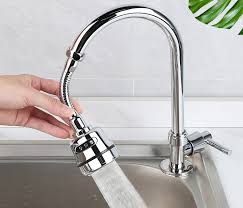
A leaky or outdated faucet can waste water, raise your utility bills, and make your kitchen or bathroom look worn out. Fortunately, replacing a faucet is one of the most manageable home improvement projects. Whether you want a modern upgrade or simply need to stop that constant drip, having the right guidance makes the process much easier.
This guide will walk you through the steps of replacing a faucet, share tips for success, and explain when it’s best to call a professional Carlsbad plumber or search for a trusted plumber near me to get the job done right.
Tools and Materials You’ll Need
Before you begin, gather these essentials:
- Adjustable wrench
- Basin wrench
- Plumber’s tape (Teflon tape)
- Bucket or towel
- New faucet (make sure it matches your sink’s configuration)
- Supply lines (if not included with your new faucet)
Having everything ready prevents delays and helps the installation go smoothly.
Step-by-Step Guide to Replacing a Faucet
1. Turn Off the Water Supply
The first and most important step is shutting off the water valves under the sink. Turn them clockwise until they’re tight. Open the faucet to release any remaining water pressure. Place a bucket or towel under the pipes to catch drips.
2. Remove the Old Faucet
Disconnect the supply lines using an adjustable wrench. If they’re old or corroded, be prepared to replace them. Next, loosen the mounting nuts securing the faucet to the sink. A basin wrench is especially helpful in tight spaces.
3. Clean the Sink Area
Once the old faucet is out, clean away any grime, putty, or mineral deposits. A smooth, clean surface ensures a better fit for your new faucet.
4. Install the New Faucet
Follow the manufacturer’s instructions carefully. Place the faucet in the mounting holes and secure it with the provided hardware. Apply plumber’s tape to threaded connections to prevent leaks.
5. Reconnect Supply Lines
Attach the hot and cold supply lines to the new faucet and tighten them securely. Avoid over-tightening, which can damage fittings.
6. Turn On the Water and Test
Turn the water valves back on slowly. Run the faucet to check for leaks. If you notice drips, carefully tighten connections or reapply plumber’s tape as needed.
When to Call a Professional Carlsbad Plumber
While replacing a faucet is usually a straightforward DIY task, there are times when professional help is the smarter choice:
- Corroded or damaged pipes that need repair.
- Leaks that persist even after reinstallation.
- Upgrading to a more complex fixture like a pull-down sprayer or touchless faucet.
- Limited access to plumbing connections.
In these cases, searching for a reliable plumber near me or hiring a trusted Carlsbad plumber ensures the job is done quickly and correctly saving you time, frustration, and potential water damage.
Extra Tips for Success
- Always double-check faucet compatibility with your sink before purchasing.
- Keep a flashlight handy when working under the sink.
- Replace supply lines whenever you install a new faucet, even if the old ones seem fine.
- If you’re installing a bathroom faucet, consider replacing the drain assembly at the same time for a complete refresh.
Conclusion
Replacing a faucet is a project most homeowners can tackle with the right tools, patience, and preparation. From turning off the water supply to installing and testing your new fixture, following these steps helps ensure a smooth process.
That said, don’t hesitate to call a Carlsbad plumber if you encounter issues beyond your comfort level. Sometimes, the fastest and most cost-effective solution is to search for a plumber near me and let an expert handle it.
Whether you DIY or call a professional, a new faucet not only improves functionality but also enhances the style and comfort of your home.
Faucet Installation in Carlsbad: Trust a Local Plumber for a Job Done Right
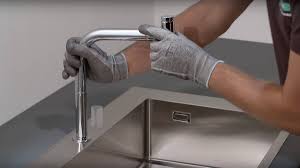
Whether you’re upgrading your kitchen or fixing a leaky bathroom fixture, proper faucet installation is essential. A poor installation can lead to long-term plumbing problems, water waste, or costly damage. That’s why many homeowners in the area choose to hire a licensed Carlsbad plumber rather than attempting a DIY solution.
In this article, we’ll walk you through the importance of proper faucet installation, what to expect from the process, and why calling a trusted plumber near me is often the smartest and safest choice.
Why Faucet Installation Should Be Left to the Experts
Installing a faucet may seem simple—but the process can be more complicated than it appears. It requires a precise connection to existing water lines, proper sealing to avoid leaks, and sometimes adjustments to countertops, sinks, or valves.
Here’s what can go wrong with an improper installation:
- Leaks beneath the sink that lead to mold or wood damage
- Loose fixtures that wobble or fail prematurely
- Cross-threaded connections that can damage water lines
- Poor water pressure due to blockages or misalignment
- Incompatible fittings with your plumbing system
A licensed Carlsbad plumber has the tools and training to handle these challenges efficiently and correctly.
When to Replace or Install a New Faucet
There are several reasons why a homeowner might choose to install a new faucet:
1. Aging or Corroded Fixtures
Over time, mineral buildup or corrosion can degrade faucet parts, leading to persistent leaks and reduced water flow.
2. Upgrading for Aesthetics
Many homeowners choose modern fixtures to enhance the look of a kitchen or bathroom remodel.
3. Water-Saving Technology
New faucets often come with eco-friendly features like low-flow aerators that help conserve water and reduce utility bills.
4. Constant Repairs
If your existing faucet has required frequent repairs, replacement is likely more cost-effective in the long run.
Whether it’s a single-handle kitchen faucet or a double-valve fixture in the bathroom, a plumber near me can ensure the new installation functions properly and efficiently.
The Faucet Installation Process
When you hire a professional Carlsbad plumber, here’s what to expect from the process:
- Inspection and Shut-Off: The plumber will begin by inspecting your plumbing and shutting off water to prevent any leaks during installation.
- Removal of the Old Faucet: The existing unit will be carefully removed, including cleaning the area to prevent debris buildup.
- Compatibility Check: The new faucet is checked for compatibility with your sink and valves. Adapters may be used if needed.
- Installation and Sealing: The faucet is installed, aligned, and sealed properly to prevent leaks.
- Pressure and Leak Test: Water is turned back on to test flow and verify that there are no leaks or pressure problems.
A skilled plumber near me will also ensure that everything complies with local plumbing codes and warranty standards.
DIY vs. Hiring a Professional Plumber Near Me
While some homeowners may attempt to install a faucet themselves, it often results in frustration, wasted time, and the potential need for costly repairs. Here’s why hiring a Carlsbad plumber is worth it:
- Proper Tools: Licensed plumbers have access to specialized tools and fittings.
- Time Savings: What might take a homeowner hours, a plumber can usually finish in under an hour.
- Warranty Compliance: Some faucet warranties require professional installation.
- Code Compliance: Local plumbing codes vary, and professionals ensure your installation is up to standard.
If you’re unsure whether to install the faucet yourself, it’s safer to search for a plumber near me who has a proven track record.
Conclusion
A properly installed faucet is more than just a functional fixture—it’s a key part of your home’s plumbing system. Whether you’re updating old fixtures, remodeling, or simply addressing a leak, working with a professional ensures lasting results.
Hiring a licensed Carlsbad plumber means peace of mind. You’ll know the job was done right, your plumbing system is protected, and you’ve reduced the risk of future leaks or water damage. If you’re ready for a clean and professional faucet installation, don’t hesitate to contact a trusted plumber near me.
A Complete Guide to Faucet Installation for Homeowners
Faucet installation may seem like a minor household task, but it plays a crucial role in maintaining the functionality and appearance of your kitchen and bathroom. Whether you’re replacing an outdated fixture or upgrading to a more water-efficient model, understanding the process—and knowing when to call a professional like a Carlsbad plumber—can save you time, money, and frustration.
Why Proper Faucet Installation Matters
A properly installed faucet ensures reliable water flow, prevents leaks, and can even help reduce water bills. On the other hand, improper installation can result in dripping, low water pressure, or costly water damage behind cabinets and under sinks. While many homeowners may be tempted to attempt a DIY faucet installation, it’s important to assess the complexity of the job and decide if calling a plumber near me is the smarter choice.
Tools and Materials You’ll Need
Before starting a faucet installation, make sure you have the right tools and materials on hand. This includes:
- Adjustable wrench
- Basin wrench
- Plumber’s tape (Teflon tape)
- Bucket or towels
- New faucet with accompanying parts (hoses, gaskets, washers)
- Plumber’s putty or silicone (if recommended by the manufacturer)
Having everything ready before you begin ensures a smoother process and reduces the risk of delays or mistakes.
Step-by-Step Faucet Installation Process
1. Turn Off the Water Supply
Before doing anything, locate the shutoff valves under the sink and turn off both the hot and cold water supplies. If there are no local shutoff valves, you may need to turn off the main water supply to your home.
2. Remove the Old Faucet
Place a bucket or towels under the sink to catch any residual water. Use a wrench to disconnect the water supply lines, then unscrew the mounting nuts holding the old faucet in place. Once loosened, lift the old faucet out and clean the sink area, removing any old putty or residue.
3. Prepare the New Faucet
Install the gasket or apply plumber’s putty to the base of the new faucet, as directed by the manufacturer. Insert the faucet through the mounting holes in the sink.
4. Secure the Faucet
From beneath the sink, thread the mounting nuts onto the faucet shanks and tighten them with a basin wrench. Make sure the faucet is properly aligned before fully tightening.
5. Connect the Water Supply Lines
Attach the hot and cold water supply lines to the faucet’s corresponding valves. Use plumber’s tape on the threads to create a watertight seal. Be careful not to overtighten, which can damage fittings.
6. Test the Faucet
Turn the water supply back on and check for leaks. Let the water run for a few minutes to flush out any debris and ensure the faucet functions properly.
When to Call a Professional
While some homeowners have the tools and skills to handle faucet installation, there are many situations where hiring a Carlsbad plumber or a plumber near me is the best decision:
- If the shutoff valves are old or corroded
- If you’re upgrading to a more complex faucet, such as a touchless or pull-down model
- If there’s damage to the plumbing under the sink
- If you’re uncomfortable working in tight spaces or with plumbing connections
A licensed Carlsbad plumber has the experience and equipment to handle any surprises, ensure a proper installation, and prevent costly mistakes down the line.
The Benefits of Professional Installation
Choosing a professional plumber near me for faucet installation offers several key advantages:
- Time savings: Professionals can complete the job quickly and efficiently.
- Proper fit and function: They ensure the faucet is installed correctly, preventing leaks and water damage.
- Warranty protection: Many manufacturers require professional installation to honor product warranties.
- Peace of mind: You can trust the job is done right the first time.
Conclusion
Faucet installation may appear simple, but it requires careful attention to detail and the right tools. Whether you decide to take on the project yourself or hire a Carlsbad plumber, understanding the process helps you make informed decisions and avoid potential pitfalls. For homeowners who want to ensure a flawless result, reaching out to a plumber near me is often the best investment. After all, a well-installed faucet doesn’t just improve your home’s functionality—it adds value and reliability for years to come.
Faucet Repair Guide: How to Fix Common Issues
A dripping or malfunctioning faucet can be frustrating, wasteful, and costly. Fortunately, many common faucet problems can be repaired without needing a full replacement. Whether you’re dealing with leaks, low water pressure, or unusual noises, this guide will walk you through the basics of faucet repair. If you’re unsure about handling the repairs yourself, searching for a plumber near me or a Carlsbad plumber can help you find a professional to do the job efficiently.
Common Faucet Problems and How to Fix Them
1. Fixing a Dripping Faucet
A dripping faucet is one of the most common household plumbing issues. It can waste gallons of water over time, increasing your utility bills.
Causes:
- Worn-out washer or O-ring
- Corroded valve seat
- Loose or damaged parts
Solution:
- Turn Off the Water Supply – Shut off the water to avoid flooding.
- Disassemble the Faucet – Use a wrench to remove the handle and expose the washer.
- Inspect and Replace the Washer – A worn-out washer is often the cause of drips. Replace it with a new one of the same size.
- Reassemble and Test – Put the faucet back together, turn on the water, and check if the drip has stopped.
If the problem persists, a Carlsbad plumber can assess whether a deeper issue, such as a damaged valve seat, is causing the leak.
2. Restoring Low Water Pressure
If your faucet isn’t delivering strong water flow, the issue may be a clog in the aerator or mineral buildup inside the pipes.
Solution:
- Remove the Aerator – Unscrew the small mesh screen at the tip of the faucet.
- Clean It – Soak the aerator in vinegar for a few hours to dissolve mineral buildup.
- Check for Pipe Issues – If cleaning the aerator doesn’t work, there may be blockages in the pipes. A plumber near me can inspect and clear any obstructions.
3. Repairing a Noisy Faucet
Hearing strange noises when using your faucet? The problem could be loose washers, water pressure issues, or trapped air in the pipes.
Solution:
- Tighten Loose Parts – Disassemble the faucet and ensure all washers and screws are secured.
- Adjust Water Pressure – High water pressure can cause vibrations. If needed, a Carlsbad plumber can install a pressure regulator.
- Flush the Pipes – If trapped air is the issue, turn on all faucets in your home for a few minutes to clear the air pockets.
4. Fixing a Handle That Won’t Turn Properly
A stiff or stuck faucet handle can make it difficult to control water flow.
Solution:
- Turn Off the Water Supply – Always do this before any repair work.
- Remove the Handle – Unscrew the handle and check for mineral buildup.
- Lubricate or Replace Parts – Apply a silicone-based lubricant or replace worn-out components.
- Reassemble and Test – If the handle still doesn’t work properly, consider calling a plumber near me for professional help.
5. Stopping Water Leaks at the Base
If water is pooling around the base of your faucet, a damaged O-ring or faulty seal may be to blame.
Solution:
- Replace the O-Ring – Shut off the water, remove the faucet, and replace the rubber O-ring.
- Check the Seal – If the seal is worn out, installing a new one can prevent further leaks.
If the leak continues, a Carlsbad plumber can determine whether the faucet needs a complete replacement.
When to Call a Professional
While many faucet repairs are simple, some issues require expert attention. If you experience:
- Persistent leaks despite replacing washers and seals
- Rust or major corrosion inside the faucet
- A broken valve or internal damage
- Water pressure problems affecting multiple fixtures
It’s best to call a plumber near me or a Carlsbad plumber for a professional repair or replacement.
Conclusion
Faucet repairs can be straightforward when you know what to look for. By fixing leaks, cleaning aerators, and addressing minor issues, you can extend the life of your faucet and save money on water bills. If you’re ever unsure about a repair, reaching out to a professional ensures the job is done right the first time. Whether it’s a minor fix or a full replacement, a Carlsbad plumber can help keep your plumbing in top shape.
How To Install Tub/Shower Faucet
A properly installed tub/shower faucet ensures efficient water flow and enhances the overall functionality of your bathroom. Whether you’re upgrading an old faucet or installing a new one, the process requires precision and the right tools. While some homeowners may attempt a DIY installation, hiring a Carlsbad plumber or searching for a plumber near me can save time and prevent costly mistakes. Below is a step-by-step guide to help you install a tub/shower faucet correctly.
Tools and Materials Needed
- Adjustable wrench
- Pipe wrench
- Screwdrivers
- Plumber’s tape
- Pipe cutter (if needed)
- New tub/shower faucet set
- Soldering kit (for copper pipes)
- Plumber’s putty or silicone sealant
- Teflon tape
- Bucket and rags
Step-by-Step Installation Guide
1. Turn Off the Water Supply
Before starting, turn off the water supply to avoid leaks and water damage. If your home does not have a dedicated shutoff valve for the shower, you may need to turn off the main water supply. Open the existing faucet to drain any remaining water from the pipes.
2. Remove the Old Faucet
- Use a screwdriver to remove the handle by loosening the set screw.
- Take off the escutcheon plate by unscrewing it or gently prying it off.
- If replacing the valve, cut the existing pipes with a pipe cutter or unscrew the fittings using a wrench.
- Carefully remove the old valve and fittings while keeping track of any connecting pipes.
3. Prepare the Plumbing for the New Faucet
- Clean the pipes of any old sealant or debris.
- If necessary, adjust the pipe length to fit the new faucet using a pipe cutter.
- Wrap Teflon tape around the threads of all pipe fittings to ensure a tight seal and prevent leaks.
- If you are installing a new valve, follow the manufacturer’s instructions for soldering or connecting it to the existing plumbing.
4. Install the New Faucet Valve
- Position the new valve correctly, ensuring it aligns with the hot and cold water supply lines.
- Secure it in place using the provided mounting hardware.
- If soldering is required, apply flux to the pipe joints and solder them securely.
- Allow the fittings to cool before proceeding.
5. Attach the Tub Spout and Showerhead
- Connect the tub spout by threading it onto the pipe or using a slip-fit connection.
- Install the shower arm by wrapping the threads with Teflon tape and tightening it into the wall fitting.
- Attach the showerhead and ensure it is properly aligned.
6. Reattach the Handle and Escutcheon Plate
- Secure the escutcheon plate against the wall to create a finished look and prevent water from seeping behind the wall.
- Attach the handle and tighten the set screw to hold it in place.
7. Turn the Water Back On and Test
- Slowly turn the water supply back on and check for leaks.
- Run both hot and cold water to ensure the faucet is functioning correctly.
- Adjust any fittings if necessary to eliminate leaks or drips.
When to Call a Professional Plumber
While installing a tub/shower faucet can be a DIY-friendly project, some situations may require expert assistance. If you encounter issues such as poor water pressure, incorrect pipe fittings, or leaks that persist despite multiple adjustments, calling a Carlsbad plumber or searching for a plumber near me is the best course of action. Professional plumbers ensure that the installation meets local plumbing codes and functions efficiently.
Conclusion
Installing a tub/shower faucet involves careful preparation, precise connections, and thorough testing. By following the steps above, you can complete the installation with confidence. However, if you’re unsure about any part of the process, seeking the expertise of a Carlsbad plumber can save time and prevent costly mistakes. Proper installation guarantees long-lasting performance and a hassle-free bathing experience.
Need help with your faucet installation? Contact a trusted plumber near me to ensure the job is done right!
Can You Install a Faucet by Yourself?
Installing a new faucet might seem like a job best left to professionals, but with the right tools and guidance, many homeowners can handle it themselves. Whether you’re replacing an old, leaky faucet or upgrading to a stylish new fixture, the installation process is straightforward if you follow the proper steps. However, if you run into issues or prefer expert help, searching for a “plumber near me” or hiring a “Carlsbad plumber” can ensure the job is done correctly.
Tools and Materials Needed
Before you start, gather the following tools and materials:
- New faucet
- Adjustable wrench
- Basin wrench
- Plumber’s tape
- Bucket
- Towels
- Silicone sealant (if needed)
- Pipe thread sealant
Step-by-Step Guide to Installing a Faucet
1. Turn Off the Water Supply
Before removing your old faucet, locate the shut-off valves under the sink and turn them off. Open the faucet to release any remaining water pressure and place a bucket underneath to catch any drips.
2. Remove the Old Faucet
Using an adjustable or basin wrench, disconnect the water supply lines from the old faucet. Loosen and remove the mounting nuts holding the faucet in place, then carefully lift it out. Clean any debris or old sealant from the sink surface.
3. Prepare the New Faucet
If your new faucet requires assembly before installation, follow the manufacturer’s instructions. Apply plumber’s tape to the threads of the water supply connections to help prevent leaks.
4. Position the New Faucet
Place the new faucet into the mounting holes on the sink. If it comes with a gasket, position it properly. If not, apply a small bead of silicone sealant around the base to create a watertight seal.
5. Secure the Faucet
From underneath the sink, thread and tighten the mounting nuts to hold the faucet in place. Ensure the faucet is aligned properly before fully tightening.
6. Connect the Water Supply Lines
Attach the hot and cold water supply lines to the corresponding valves. Use a wrench to secure them, but avoid overtightening, which could damage the connections.
7. Turn the Water Supply Back On
Slowly turn on the shut-off valves and check for any leaks. Run the faucet for a few minutes to clear any debris and ensure everything is functioning correctly.
8. Check for Leaks
Inspect all connections under the sink. If you notice any leaks, tighten the fittings or apply additional plumber’s tape as needed.
When to Call a Professional
While installing a faucet is a manageable DIY project for many homeowners, there are situations where professional assistance may be necessary. If you encounter corroded pipes, struggle with connections, or experience persistent leaks, calling a “Carlsbad plumber” can save time and frustration. A “plumber near me” can also ensure the installation meets local plumbing codes.
Conclusion
Installing a faucet by yourself is a feasible task with the right tools and preparation. By following a step-by-step approach, you can save money and gain the satisfaction of completing a home improvement project on your own. However, if you face challenges or prefer expert help, finding a reliable “plumber near me” or hiring a “Carlsbad plumber” can ensure the job is completed efficiently and professionally.
How to Install a Kitchen Faucet with Sprayer
Replacing or installing a kitchen faucet with a sprayer can significantly enhance the functionality and aesthetics of your kitchen. While it may seem like a daunting task, with the right tools and a bit of patience, this is a project many homeowners can tackle themselves. Whether you’re a DIY enthusiast or prefer to call a professional, like a trusted plumber near me or a Carlsbad plumber, understanding the process is essential.
Tools and Materials Needed
Before starting, gather the following tools and materials:
- Adjustable wrench
- Basin wrench
- Screwdriver (Phillips and flathead)
- Plumber’s putty or silicone sealant
- Bucket or towel (to catch water)
- New kitchen faucet with sprayer
- Teflon tape
Step-by-Step Guide to Installing Your Kitchen Faucet with Sprayer
- Turn Off the Water Supply Locate the shut-off valves under the sink and turn them off. If there are no shut-off valves, you’ll need to turn off the main water supply to your home. Open the faucet to relieve any residual water pressure.
- Remove the Old Faucet
- Place a bucket or towel under the sink to catch any water that may drip.
- Disconnect the water supply lines using an adjustable wrench.
- Use a basin wrench to loosen and remove the nuts securing the old faucet to the sink.
- Carefully lift out the old faucet and clean the sink area where the new faucet will be installed.
- Prepare the New Faucet
- Read the manufacturer’s instructions for your specific faucet model.
- Apply plumber’s putty or silicone sealant to the base of the faucet to create a watertight seal.
- Insert the faucet through the mounting holes in the sink.
- Secure the Faucet
- From underneath the sink, secure the faucet by tightening the mounting nuts. Use a basin wrench for hard-to-reach areas.
- Make sure the faucet is aligned properly before fully tightening the nuts.
- Install the Sprayer
- If your faucet comes with a separate sprayer, feed the sprayer hose through the designated hole in the sink.
- Connect the hose to the diverter on the faucet body. Ensure all connections are secure to prevent leaks.
- Reconnect the Water Supply Lines
- Attach the water supply lines to the faucet’s hot and cold inlets. Use Teflon tape on the threads to ensure a tight seal.
- Tighten the connections with an adjustable wrench, being careful not to overtighten.
- Test the Installation
- Turn the water supply back on and check for leaks around the connections.
- Run both hot and cold water through the faucet and test the sprayer to ensure everything is functioning correctly.
- If you notice any leaks, tighten the connections or apply additional sealant as needed.
When to Call a Professional
While installing a kitchen faucet with a sprayer is manageable for many, certain situations may require the expertise of a professional. If you encounter damaged pipes, difficulty removing the old faucet, or persistent leaks, it’s time to call a plumber near me or a Carlsbad plumber. A professional can ensure the job is done quickly and efficiently, saving you time and potential headaches.
Maintenance Tips for Your New Faucet
- Clean the faucet regularly to prevent mineral buildup.
- Check the connections periodically for leaks.
- Avoid using abrasive cleaners that can damage the finish.
- If the sprayer becomes clogged, soak it in a solution of vinegar and water to remove mineral deposits.
Conclusion
Installing a kitchen faucet with a sprayer can elevate your kitchen’s functionality and style. By following these steps, you can complete the installation confidently and enjoy your new faucet for years to come. However, if you run into any challenges or prefer to leave the job to an expert, don’t hesitate to reach out to a reliable Carlsbad plumber or search for a plumber near me. With professional help, you can rest assured your faucet will be installed correctly and efficiently.
Bathroom Faucet Replacement: A Step Toward Modern Convenience
Replacing a bathroom faucet may seem like a small task, but it can make a big difference in the functionality and aesthetics of your space. Whether you’re dealing with a leaky faucet, outdated design, or simply want an upgrade, replacing it is an excellent way to refresh your bathroom without a major renovation. For homeowners unsure of how to proceed, a quick search for a plumber near me or a trusted Carlsbad plumber can connect you with professionals who can help.
When Should You Replace Your Bathroom Faucet?
A bathroom faucet may need replacing for several reasons, such as:
- Leaks or Drips
Persistent dripping isn’t just annoying—it can waste gallons of water over time and increase your utility bills. - Outdated Style
An old faucet can make an otherwise modern bathroom look dated. A sleek, new fixture can tie your design together. - Rust or Corrosion
Over time, faucets can corrode due to hard water or lack of maintenance, affecting both their appearance and performance. - Poor Water Flow
Clogs in the faucet or internal mechanisms may reduce water pressure, signaling the need for a replacement.
How to Replace a Bathroom Faucet
For DIY enthusiasts, replacing a bathroom faucet can be a manageable project. However, for more complex plumbing systems or unexpected issues, consulting a Carlsbad plumber is always a wise choice. Here’s an overview of the process:
1. Gather Your Tools and Materials
Before beginning, ensure you have the necessary tools:
- A wrench or pliers
- Screwdriver
- Plumber’s tape
- Bucket
- New faucet and any included parts
2. Turn Off the Water Supply
Locate the shut-off valves under your sink and turn them off. Open the faucet to release any remaining water pressure.
3. Remove the Old Faucet
- Disconnect the water supply lines using a wrench.
- Unscrew the mounting nuts securing the faucet to the sink.
- Gently lift the old faucet off and clean the area to remove grime or residue.
4. Install the New Faucet
- Position the new faucet over the mounting holes.
- Secure it in place with the included mounting hardware.
- Connect the water supply lines to the new faucet.
5. Test for Leaks
Turn the water supply back on and run the faucet. Check for leaks around the connections and tighten as needed.
Why Hire a Professional Plumber for Faucet Replacement?
While replacing a faucet might seem straightforward, there are situations where calling a plumber near me is the best decision:
- Complex Plumbing Systems
Older homes or intricate plumbing setups can present challenges best handled by a professional. - Unexpected Issues
Problems such as corroded pipes, incorrect fittings, or water damage may arise during the replacement process. A skilled Carlsbad plumber can address these efficiently. - Guaranteed Workmanship
Professional plumbers ensure the job is done right the first time, saving you time and future repair costs.
Choosing the Right Faucet
Selecting the right faucet is a critical step in the replacement process. Consider the following:
- Style and Finish
Match the faucet to your bathroom’s design. Popular finishes include chrome, brushed nickel, and matte black. - Functionality
Choose between single-handle, double-handle, or touchless faucets based on your preferences. - Water Efficiency
Look for models with a WaterSense label, which ensures efficient water use without sacrificing performance.
Benefits of Bathroom Faucet Replacement
Replacing your bathroom faucet offers several advantages:
- Improved Efficiency
A modern faucet reduces water wastage, helping to lower your utility bills and conserve resources. - Enhanced Aesthetics
A stylish new faucet can elevate the look of your bathroom, making it more appealing. - Increased Home Value
Small upgrades, such as faucet replacements, contribute to your home’s overall value and appeal to potential buyers. - Better Functionality
A new faucet ensures smoother operation and eliminates leaks or poor water flow.
Conclusion
Bathroom faucet replacement is a cost-effective way to improve your bathroom’s functionality and style. Whether you decide to tackle the project yourself or hire a professional, the results can be transformative. For homeowners who prefer a hassle-free experience, contacting a reliable Carlsbad plumber or searching for a plumber near me ensures the job is done efficiently and correctly.
With the right faucet and professional expertise, you can enjoy a refreshed bathroom that meets your practical needs and design preferences. Whether for repairs or upgrades, faucet replacement is a smart investment in your home.
How Much Does It Cost to Have Someone Install a Kitchen Faucet?
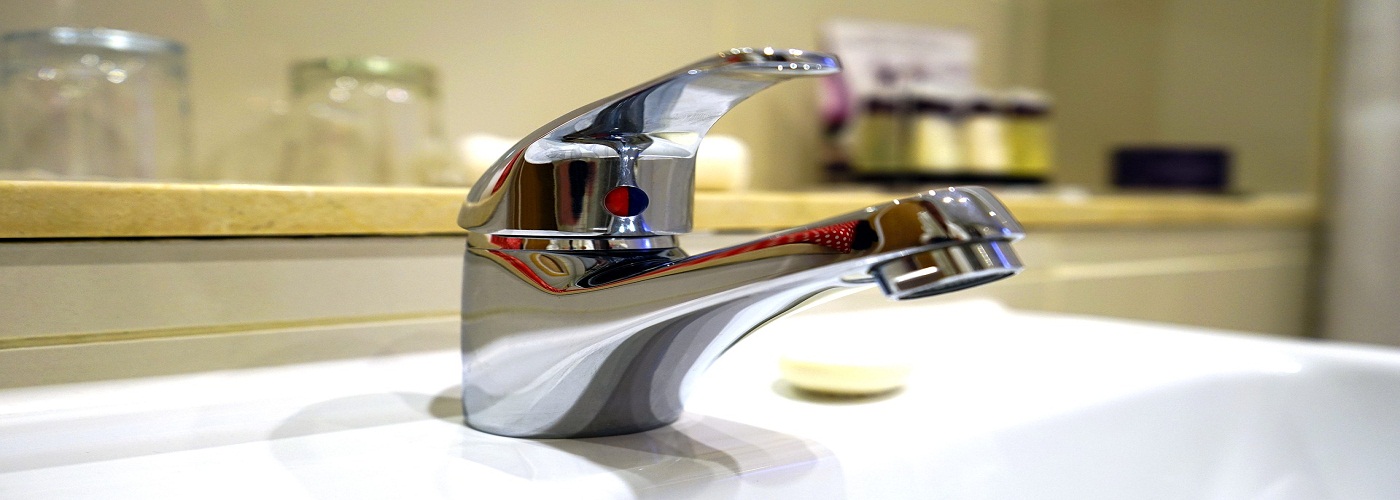
Installing a new kitchen faucet can give your kitchen an instant facelift, improve functionality, and even help save water. But when it comes to having a professional install it, you’re probably wondering, “How much is this going to cost?” Whether you’ve bought a new faucet that needs professional installation or you’re replacing an old, leaky one, it’s essential to understand the various factors that affect the price of installation.
If you’re searching for a “plumber near me” or a reliable Carlsbad plumber, here’s everything you need to know about the cost of installing a kitchen faucet and why hiring a professional is often worth the investment.
Factors That Affect the Cost of Installing a Kitchen Faucet
When hiring a Carlsbad plumber to install a kitchen faucet, the cost can vary depending on several factors. Understanding these variables can give you a clearer idea of what to expect.
Faucet Type
The type of faucet you choose plays a significant role in the installation cost. Standard faucets with a single handle or basic models tend to be easier and quicker to install, so they often cost less in labor. However, more advanced faucets, such as pull-down sprayer models, touchless faucets, or faucets with integrated water filtration systems, are more complex to install, which may increase labor fees.
Labor Charges
Labor rates for plumbers can vary depending on the region and the plumber’s level of experience. In Carlsbad, you can expect to pay between $150 to $300 for a plumber to install a kitchen faucet. If you hire a plumber near you, it’s always a good idea to get multiple quotes to compare prices.
The complexity of the installation job also impacts labor costs. For example, replacing an old faucet with a new one in an existing sink cut-out will be cheaper than installing a faucet in a new kitchen where additional plumbing may be required.
Plumbing Adjustments
If your plumbing setup needs adjustments, such as updating old pipes, installing new shut-off valves, or rerouting water lines, the installation cost can increase. In some cases, the plumber might find corroded or broken pipes that need to be repaired or replaced before installing the new faucet, adding to the overall expense.
Additional Costs
Some plumbers may charge for travel time, disposal of the old faucet, or the complexity of accessing the plumbing under your sink. Always ask your Carlsbad plumber about any potential additional costs that might arise.
DIY vs. Hiring a Professional Plumber
Many homeowners wonder whether they can save money by installing a faucet themselves. While it’s true that a DIY installation can eliminate labor costs, it’s important to consider the challenges and potential risks.
Skill and Experience: Installing a kitchen faucet might seem simple, but without the proper skills and tools, the job can quickly become overwhelming. A DIY installation could lead to leaks or damage to the sink and surrounding plumbing if not done correctly.
Time Investment: What might take a professional plumber near you just a couple of hours could take an inexperienced person an entire day. If you encounter complications, such as poor water pressure or leaking pipes, the job may require even more time and effort.
Warranty and Protection: Many professional plumbers offer warranties on their work, ensuring that if anything goes wrong after installation, they’ll come back and fix it at no additional cost. Additionally, some faucet manufacturers require professional installation to honor their warranties.
Overall, while DIY can save on labor costs, hiring a professional Carlsbad plumber ensures the job is done right, potentially saving you from more expensive repairs down the line.
Average Cost of Faucet Installation
On average, the cost to install a kitchen faucet ranges between $150 to $400. Here’s a rough breakdown of where that money goes:
Basic Faucet Installation: $150 – $250
This price generally covers the installation of a simple, standard faucet where no significant plumbing modifications are required.
Advanced Faucet Installation: $250 – $400
If your faucet has additional features, such as a sprayer, or if any existing plumbing components need to be updated, the cost will be on the higher end.
Plumbing Modifications: $100 – $300 extra
If you’re installing a new sink along with the faucet or making changes to the plumbing setup, expect the costs to rise due to the added labor and materials.
Conclusion
Hiring a Carlsbad plumber to install your kitchen faucet ensures that the job is completed professionally and efficiently. While the cost of installation can range from $150 to $400, factors like faucet type, necessary plumbing adjustments, and labor charges will impact the final bill. While some homeowners might attempt to tackle the job themselves to save money, the benefits of hiring a professional – including time saved, peace of mind, and avoiding potential problems – often outweigh the cost.
For homeowners in Carlsbad and surrounding areas, always consider reaching out to a trusted “plumber near me” for an accurate quote and reliable installation service. By choosing a skilled plumber, you’ll not only ensure a high-quality installation but also protect your kitchen from future plumbing problems.
Do I Need a Plumber to Install a New Faucet?
Replacing or installing a new faucet may seem like a straightforward task, but many homeowners wonder whether they should attempt it themselves or hire a professional. While some faucet installations can be done as a DIY project, there are situations where hiring a plumber near me or a Carlsbad plumber is a better option to avoid potential issues down the road.
In this blog post, we’ll walk through the key factors to consider when deciding whether you need a plumber for your faucet installation. We’ll also discuss the potential complications that can arise and when it’s best to call in a professional.
Upgrading your bathroom or kitchen faucet is an excellent way to give your space a fresh, updated look. Faucet installations are often perceived as a simple task—just unscrew the old faucet, screw in the new one, and you’re done, right? Unfortunately, it’s not always that simple. Depending on the type of faucet, the age of your plumbing, and the condition of the pipes, faucet installation can become a complicated and frustrating process.
This is where the question arises: Do you need a plumber for this task? For those who are experienced with home improvement, the answer might be “no,” but for the average homeowner, it may be wise to leave it to a professional Carlsbad plumber.
When to DIY a Faucet Installation
If you’re comfortable with basic home improvement tasks, you may be able to install a faucet on your own. Here are a few situations where a DIY installation might make sense:
Simple Faucet Replacement: If you’re just swapping out an old faucet for a new one and the layout, water lines, and connections are all in good condition, this can be a relatively easy job. Most faucets come with detailed instructions, and you can find plenty of online tutorials to guide you through the process.
Faucet Location Is Easily Accessible: If your faucet is in an easy-to-reach location, and you’re not dealing with any rusted or hard-to-remove parts, the installation should go smoothly. Just ensure you have all the necessary tools, such as a basin wrench, plumber’s tape, and a bucket to catch any water spills.
No Previous Plumbing Issues: If your pipes are in good condition and you haven’t had any prior leaks or problems with water pressure, a DIY faucet installation is less risky. However, you should still carefully check for any signs of wear on the water lines or connections before starting the job.
You Have the Right Tools: Faucet installation requires certain tools, such as a basin wrench, adjustable pliers, and sometimes caulk or sealant. If you have these on hand and know how to use them, you’re well-prepared for the task.
While a DIY installation can save you money, it’s crucial to know when you’re out of your depth. In some cases, attempting to do it yourself can lead to bigger, more expensive issues if things go wrong.
When to Call a Professional Plumber
For many homeowners, the best course of action is to call a plumber near me to handle the installation. Here are some situations where a professional is essential:
Complicated Plumbing Layout: If your faucet is located in a hard-to-reach place, or if your plumbing layout involves older, corroded pipes, a professional plumber will have the experience and tools to handle the installation. They can also troubleshoot any problems that may arise during the installation process, such as incorrect water pressure or leaky pipes.
Outdated or Damaged Plumbing: If your plumbing is old or in poor condition, there’s a high likelihood that problems will arise during the installation. For example, rusted pipes or corroded fittings can make it difficult to remove the old faucet without damaging the surrounding plumbing. A Carlsbad plumber can inspect your pipes before starting the installation, ensuring everything is up to code and in good working condition.
New Plumbing Connections Needed: If you’re installing a faucet in a new location or changing from a two-handle to a single-handle faucet (or vice versa), you may need to install new water lines or adjust the current plumbing. This is a more complex job that requires professional expertise to avoid leaks or improper installation.
Permits or Code Compliance: Depending on the scope of the project, you may need a permit to make changes to your plumbing system. Local building codes must also be followed to ensure your plumbing is safe and compliant. A professional plumber is familiar with local regulations and can ensure your installation meets all requirements.
Time Constraints: If you’re short on time, hiring a plumber near me will ensure the job is done quickly and correctly. Professional plumbers have the experience and tools needed to complete faucet installations efficiently, whereas a DIY project might take you several hours or even days, especially if you encounter any issues along the way.
Benefits of Hiring a Plumber
While hiring a Carlsbad plumber may cost more than doing it yourself, there are several key benefits to consider:
Expertise: Plumbers have years of experience installing faucets and can quickly identify and solve any problems that arise during installation.
Tools and Equipment: A professional plumber has all the necessary tools and equipment on hand, so you won’t need to spend extra money on tools you may never use again.
Warranty and Insurance: Many plumbers offer warranties on their work, giving you peace of mind that the installation will be done correctly. Additionally, they are insured, which means that if anything goes wrong during the installation, you won’t be held liable for damages.
Long-Term Savings: While it may seem like hiring a plumber is more expensive upfront, it can save you money in the long run by preventing costly mistakes. Improperly installed faucets can lead to water leaks, mold, or even damage to your plumbing system, all of which can be expensive to fix.
Conclusion
In conclusion, whether or not you need a plumber to install a new faucet depends on the complexity of the installation, the condition of your plumbing, and your own level of expertise. For simple faucet replacements, a DIY approach may be sufficient. However, if you’re dealing with older plumbing, a difficult-to-reach location, or the need for new plumbing connections, it’s best to call a Carlsbad plumber or search for a plumber near me to handle the job professionally.
A properly installed faucet ensures that you won’t have to deal with leaks, water damage, or other costly issues down the road. Investing in a professional plumber may save you time, effort, and money in the long run, making it a worthwhile decision for many homeowners.