Archive for Day: January 30, 2025
Can You Install a Faucet by Yourself?
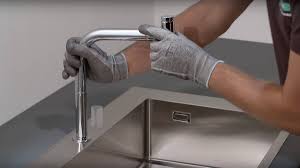
Installing a new faucet might seem like a job best left to professionals, but with the right tools and guidance, many homeowners can handle it themselves. Whether you’re replacing an old, leaky faucet or upgrading to a stylish new fixture, the installation process is straightforward if you follow the proper steps. However, if you run into issues or prefer expert help, searching for a “plumber near me” or hiring a “Carlsbad plumber” can ensure the job is done correctly.
Tools and Materials Needed
Before you start, gather the following tools and materials:
- New faucet
- Adjustable wrench
- Basin wrench
- Plumber’s tape
- Bucket
- Towels
- Silicone sealant (if needed)
- Pipe thread sealant
Step-by-Step Guide to Installing a Faucet
1. Turn Off the Water Supply
Before removing your old faucet, locate the shut-off valves under the sink and turn them off. Open the faucet to release any remaining water pressure and place a bucket underneath to catch any drips.
2. Remove the Old Faucet
Using an adjustable or basin wrench, disconnect the water supply lines from the old faucet. Loosen and remove the mounting nuts holding the faucet in place, then carefully lift it out. Clean any debris or old sealant from the sink surface.
3. Prepare the New Faucet
If your new faucet requires assembly before installation, follow the manufacturer’s instructions. Apply plumber’s tape to the threads of the water supply connections to help prevent leaks.
4. Position the New Faucet
Place the new faucet into the mounting holes on the sink. If it comes with a gasket, position it properly. If not, apply a small bead of silicone sealant around the base to create a watertight seal.
5. Secure the Faucet
From underneath the sink, thread and tighten the mounting nuts to hold the faucet in place. Ensure the faucet is aligned properly before fully tightening.
6. Connect the Water Supply Lines
Attach the hot and cold water supply lines to the corresponding valves. Use a wrench to secure them, but avoid overtightening, which could damage the connections.
7. Turn the Water Supply Back On
Slowly turn on the shut-off valves and check for any leaks. Run the faucet for a few minutes to clear any debris and ensure everything is functioning correctly.
8. Check for Leaks
Inspect all connections under the sink. If you notice any leaks, tighten the fittings or apply additional plumber’s tape as needed.
When to Call a Professional
While installing a faucet is a manageable DIY project for many homeowners, there are situations where professional assistance may be necessary. If you encounter corroded pipes, struggle with connections, or experience persistent leaks, calling a “Carlsbad plumber” can save time and frustration. A “plumber near me” can also ensure the installation meets local plumbing codes.
Conclusion
Installing a faucet by yourself is a feasible task with the right tools and preparation. By following a step-by-step approach, you can save money and gain the satisfaction of completing a home improvement project on your own. However, if you face challenges or prefer expert help, finding a reliable “plumber near me” or hiring a “Carlsbad plumber” can ensure the job is completed efficiently and professionally.